
Crop-disease detection
How can visible crop symptoms be interpreted, and which observations need closer inspection?
CNN crop-disease work is part of the documented Phase I research.
The first research team worked on crop-disease detection and weather forecasting. That early pairing set a useful pattern: an observation about crop health becomes more useful when its environment and timing are understood.
Read the record
The value of this record is seeing what students attempted, which questions the work could answer, and where its limits remained. The current public Phase I page is the source for the published record.
The founding GitHub Pages address, aakashchatake.github.io/Apollo_AgriGuard.html, now redirects away from Apollo. The legacy Apollo sites above remain the working routes.
Mission I · Historical attribution
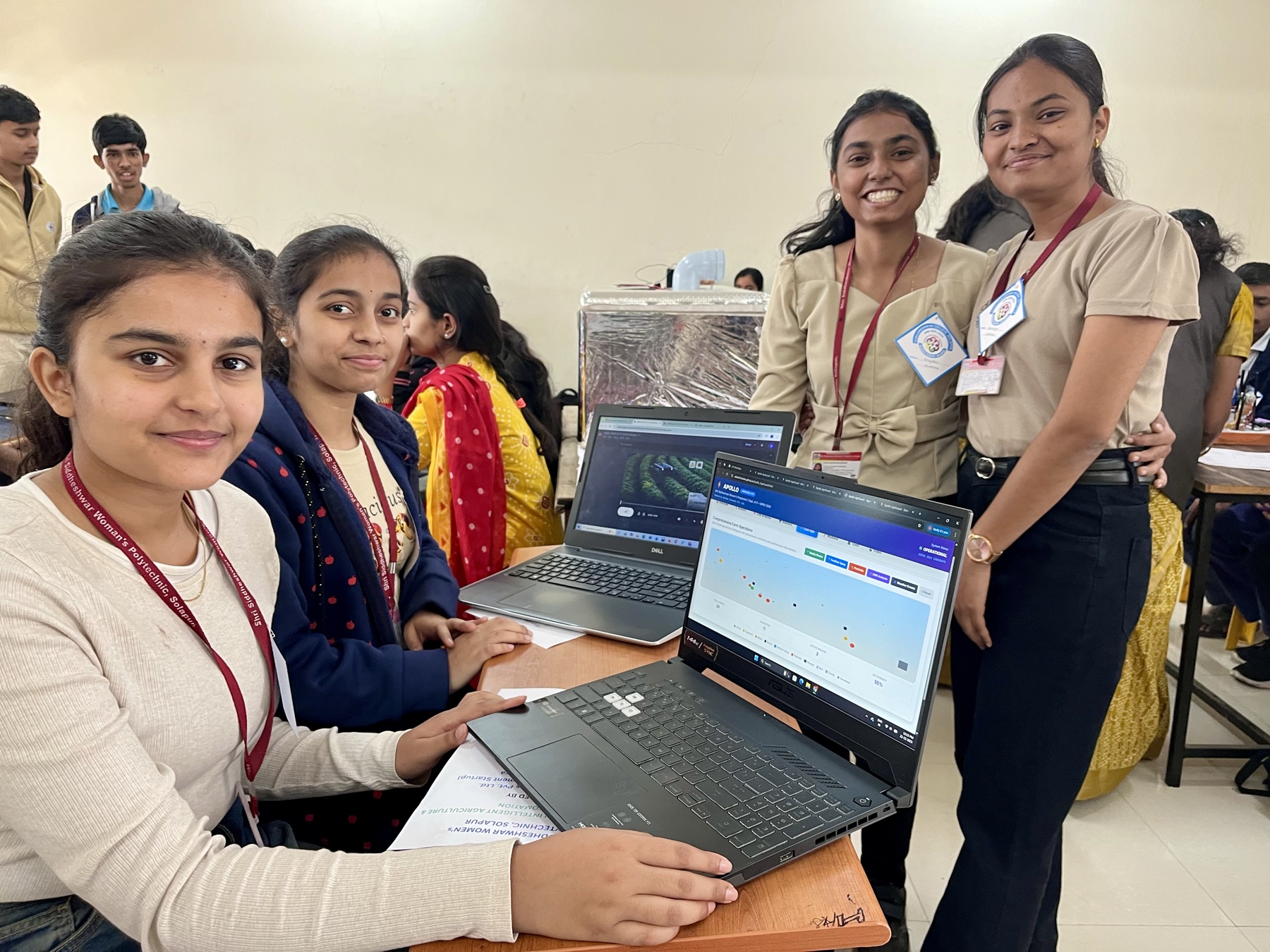
The first team brought crop-disease detection and weather forecasting into the same research programme. Their work also needed data, interfaces and documentation to make those ideas usable.
How can visible crop symptoms be interpreted, and which observations need closer inspection?
CNN crop-disease work is part of the documented Phase I research.
How might weather context inform a field decision without overstating the certainty of a forecast?
LSTM weather forecasting is part of the documented Phase I research.
Mission II preserves separate projects rather than treating all later work as one extension of Phase I.
The historical attribution includes data work, frontend, research, documentation and database management. It is not a current roster.